Remote Construction Site Secured with Solar and Starlink Satellite Surveillance
An off-grid security solution helped Wespac protect a remote Arizona jobsite after repeated theft and vandalism.
With no electrical service or cellular coverage, Wespac needed a reliable way to protect valuable equipment and construction materials. Site Secure combined solar-powered surveillance, Starlink connectivity, and live monitoring to help the team regain control of its remote project.
Client
Wespac, Inc.
Industry
Construction
Location
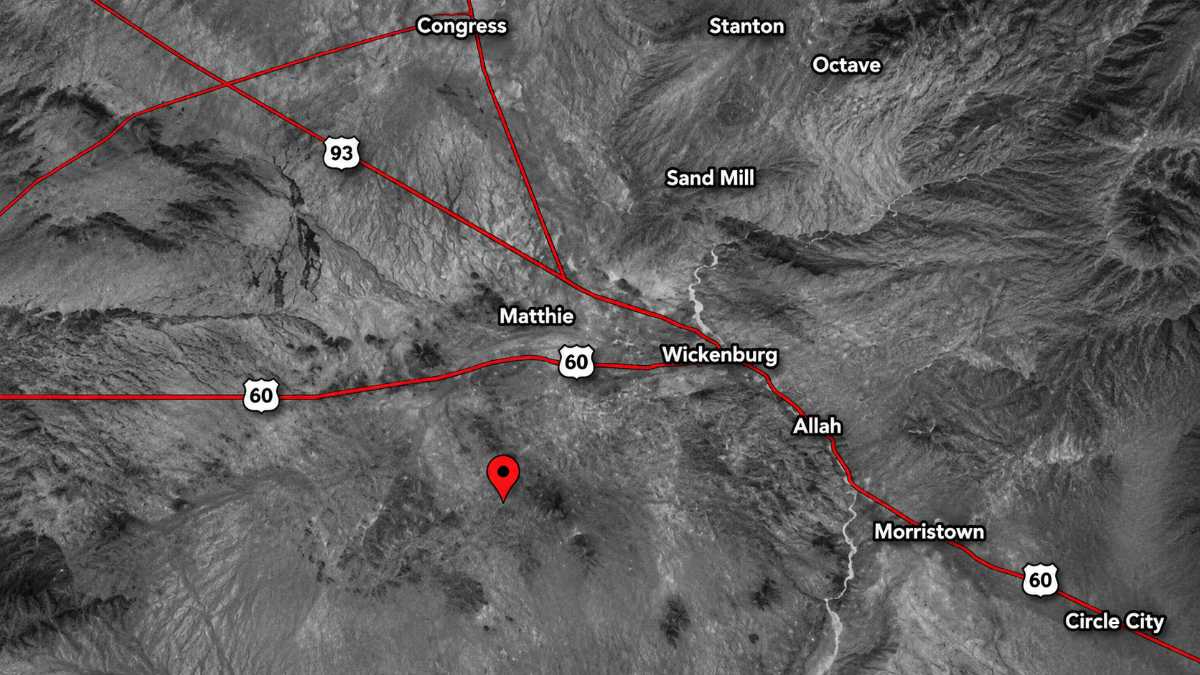
Outside Wickenburg, Arizona
Project Location
Outside Wickenburg, Arizona
Remote desert terrain, far from established utilities and reliable cellular service.
Results at a Glance
Vandalism & Theft Stopped
No further theft or vandalism incidents after deployment.
Operations Stabilized
The project returned to a productive, steady state.
Off-Grid
Solar power and battery backup supported continuous operation.
The Challenge
Valuable Equipment, No Reliable Security Infrastructure
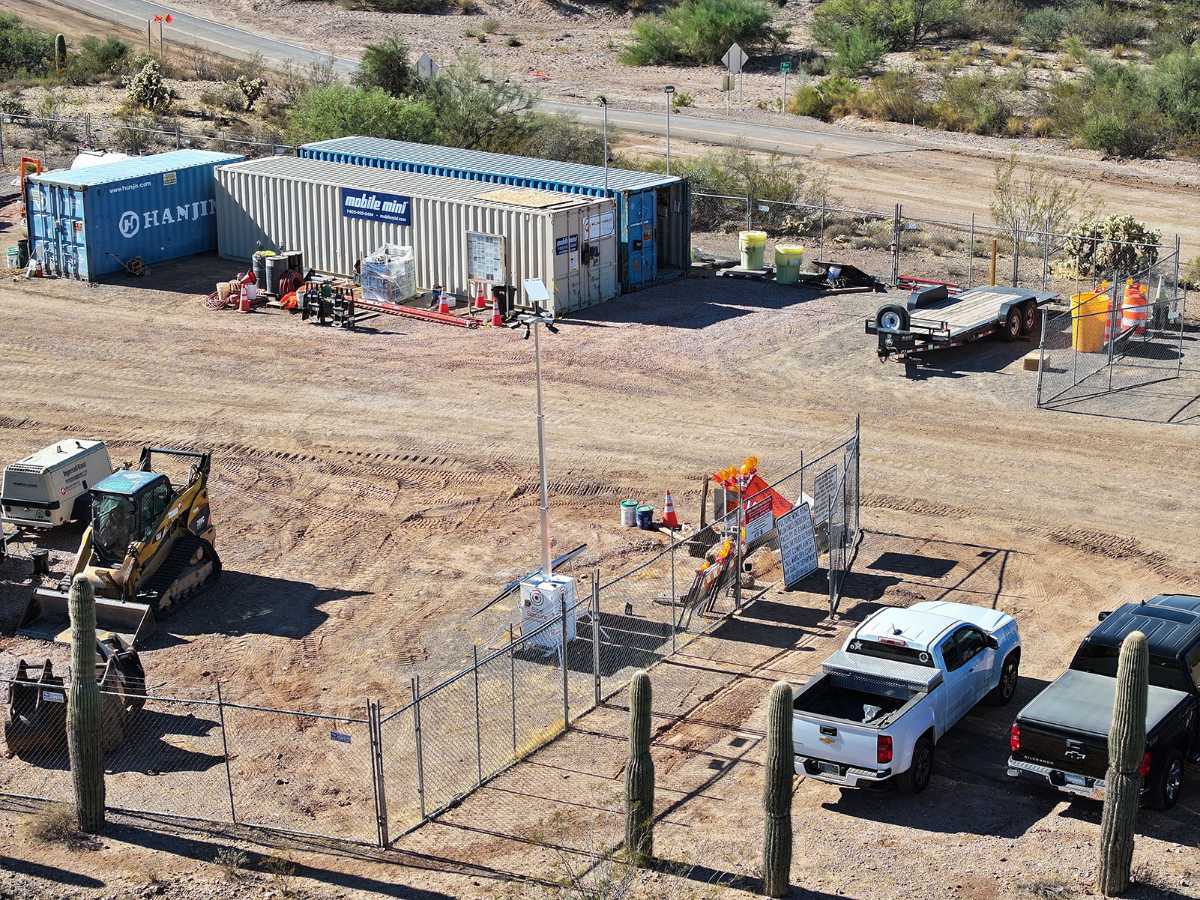
Wespac, Inc. was developing a commercial and infrastructure project in the remote desert outside Wickenburg, Arizona. Its laydown yard held heavy machinery, lumber, metal, and other high-value construction materials. With no utility power and no cellular coverage, the isolated site was especially vulnerable after working hours.
Thieves stole materials, vandals damaged completed work, and one particularly serious incident involved a tractor being used to overturn a fully loaded water truck. The resulting damage forced portions of the project to be redone. Losses reportedly climbed into the hundreds of thousands of dollars, but the disruption went beyond replacement costs. Missed milestones and construction delays created additional pressure on the project.
Wespac needed a security solution capable of operating entirely off-grid while providing real-time visibility and a clear response plan.
Why Traditional Security Wasn't Viable
Verizon, T-Mobile, and AT&T had no coverage at the site, so conventional camera systems could not reliably transmit footage.
Staffing was another obstacle.
Nearly two hours from the Phoenix metro area, the project was difficult and costly to staff with guards. Many security companies declined the assignment.
The Solution
One Tower, Connected and Monitored
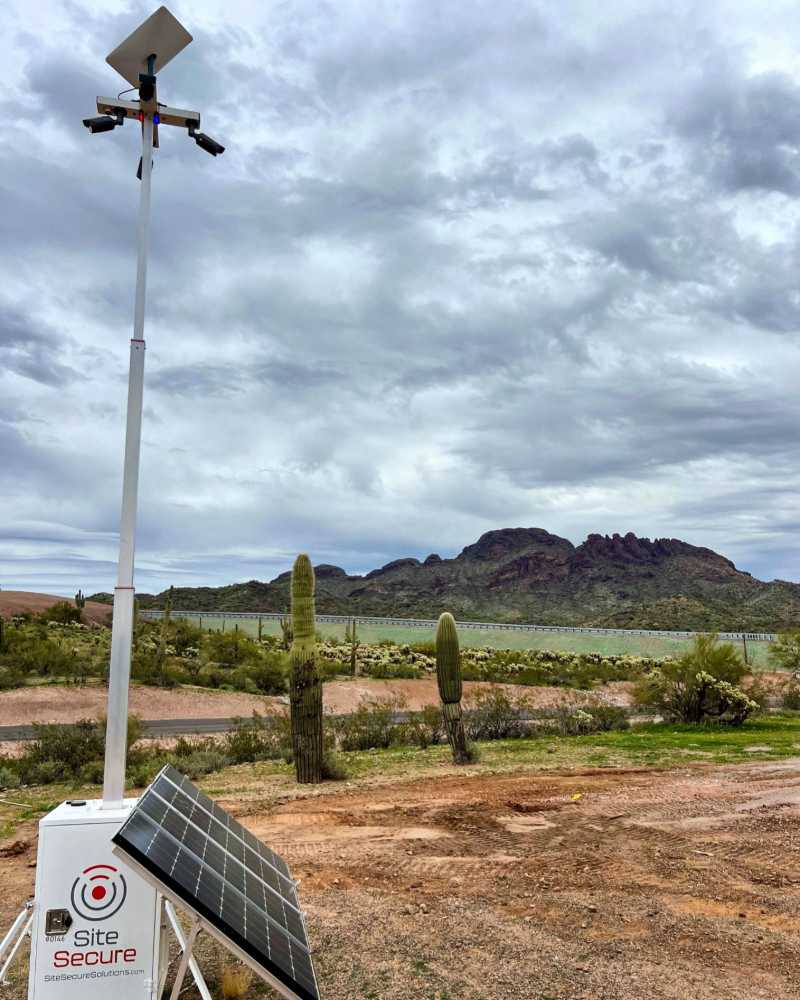
Site Secure deployed one Mobile Surveillance Tower to protect Wespac’s laydown yard. Four fixed cameras on a 20-foot mast were positioned to provide a 360-degree view across the yard, the entrance, and the nearby dirt parking area. Red and blue flashing lights increased the tower’s visible deterrent presence.
The tower was powered by 300 watts of solar power with 400 amp hours of lithium battery backup. The off-grid configuration supported continuous operation through summer heat and monsoon weather without electrical service.
Because the site had no cellular coverage, Site Secure integrated Starlink. Site Secure became the first mobile surveillance tower provider to successfully operate through Starlink in such a rural environment. Video streams remained clear and uninterrupted day and night.
Live Monitoring Tailored to the Jobsite
Wespac also selected to add live monitoring coverage for 12 hours each weeknight and 24 hours on weekends, totaling 108 monitored hours per week during non-working periods. Our U.S.-based monitoring is conducted by live personnel in Phoenix, Arizona.
A customized monitoring scope was built in collaboration with Wespac. Suspicious activity during fringe working hours would trigger calls to the superintendent and project manager, while confirmed trespassing during non-working hours prompted immediate law enforcement dispatch. Wespac notified the monitoring center of approved after-hours visits to minimize false dispatches.
Adaptive Partnership
When the project later shifted to the opposite side of the highway, Site Secure redeployed the tower with less than 24 hours’ notice, recalibrated camera angles, obtained approval on new views, and resumed full monitoring operations without disrupting site operations.
This was not a static installation. It was an active security partnership aligned with the project’s evolving footprint.
The Result
Vandalism and theft stopped immediately after deployment. Wespac was able to recover stolen materials, stabilize operations, and return to its intended construction timeline. Starlink connectivity exceeded expectations, and the power system performed reliably despite harsh desert conditions, demonstrating that advanced security infrastructure does not require traditional utilities.
Project leadership reported strong satisfaction. With security concerns resolved, the superintendent and project manager could focus on construction execution rather than crisis management. The project progressed in timelines, productivity, and jobsite discipline, with the team back on track and operating efficiently.
The site transitioned from uncontrolled loss to stable, monitored progress in one deployment. This project reinforced Site Secure’s position as a high-tech leader in mobile surveillance innovation, demonstrating how solar power, satellite connectivity, and responsive monitoring can extend dependable security to remote environments without conventional infrastructure.